
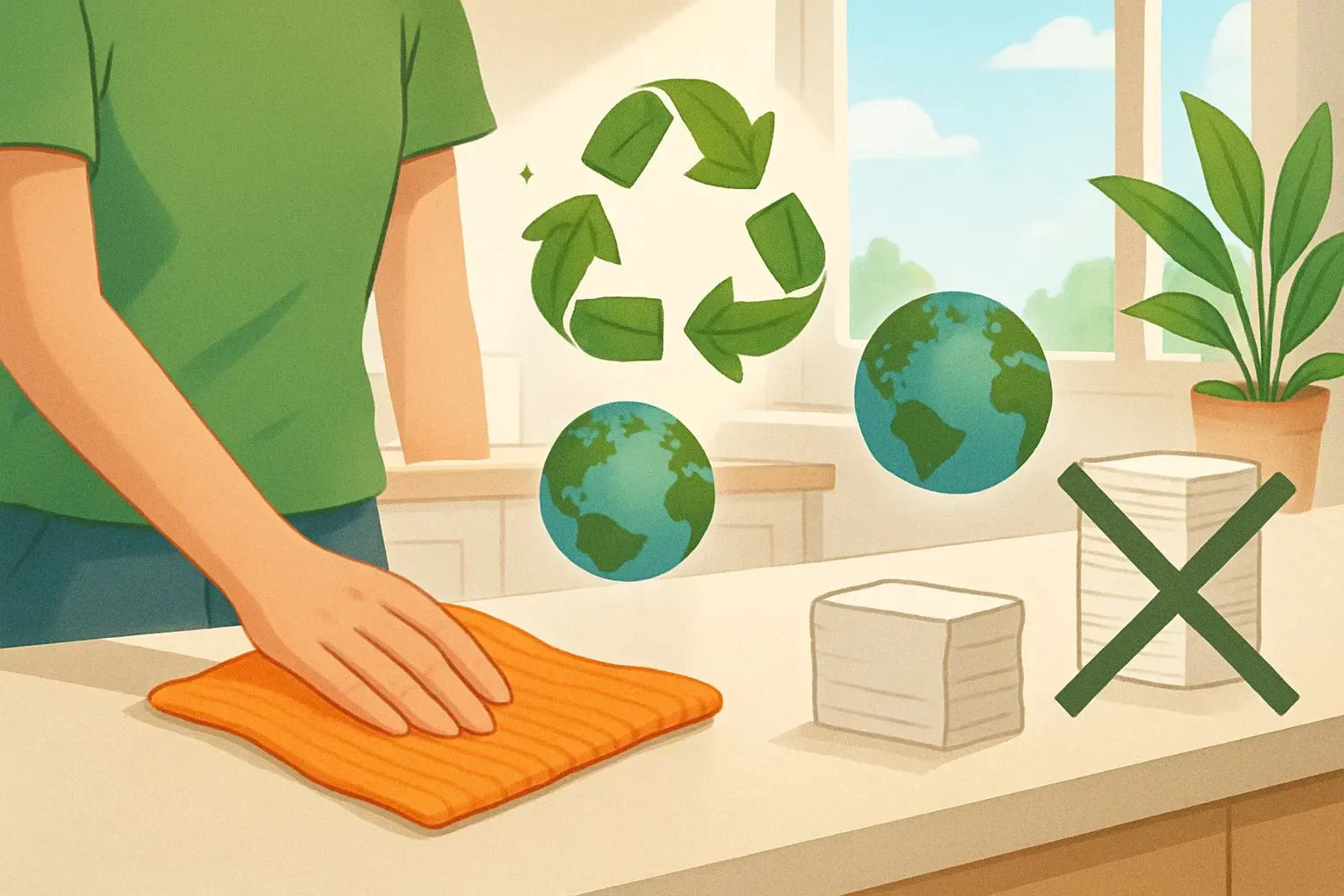
Top Benefits of Reusable Cleaning Cloths
More and more homeowners are realizing that minor tweaks in their cleaning habits can have a significant impact. Swapping disposable paper towels and single-use wipes for reusable cleaning cloths offers real benefits for your home and the planet.
You’ll save money, cut back on waste, and probably even get a better clean. These cloths can tackle everything from kitchen messes to bathroom grime, sometimes with just water.
Choosing the right reusable cloth depends on what you need and what you like. If you know the benefits, environmental impact, and how to care for them, you’ll make more intelligent choices that help you clean well and live sustainably.
Key Benefits of Reusable Cleaning Cloths
Reusable cleaning cloths really shine for their cleaning power and versatility. If you take care of them, they’ll last for years, and that’s a pretty good deal.
Superior Cleaning Effectiveness
Reusable cloths beat disposables at lifting dirt, bacteria, and grime. Microfiber cloths, in particular, trap 99% of bacteria with just water, thanks to their tiny split fibers.
Why do they clean better?
-
Remove bacteria without needing chemicals.s
-
Actually lift dirt, don’t just push it around
-
Handle different surfaces easily
-
Make scrubbing easier
Swedish dishcloths soak up 20 times their weight in liquid. That’s a lifesaver when you spill something big.
Good clothes come with antimicrobial treatments, so they don’t get stinky between uses. You can clean with confidence, and your clothes will stay fresher.
The fibers capture dirt that disposable products merely distribute. This means you'll spend less time cleaning the same area repeatedly.
Everyday Usefulness and Practical Applications
Reusable cloths are suitable for almost any cleaning task around the house. They are effective on kitchen surfaces, bathroom mirrors, electronic devices, and even your car's dashboard.
Where people use them:
-
Kitchen: counters, appliances, spills
-
Bathroom: mirrors, sinks, shower doors
-
Living areas: dusting, windows, furniture
-
Electronics: screens, keyboards, devices
Color-coding helps avoid mixing up bathroom and kitchen cloths. Lots of families do blue for bathrooms, yellow for kitchens, green for everything else.
Different materials work better for specific jobs. Bamboo is excellent for stone, while microfiber is excellent on glass and screens.
Just one cloth can replace a whole stack of disposables. You’ll save space and shop less often with a few good clothes.
Durability and Longevity in the Home
A quality reusable cloth can survive 200-300 washes, which usually means 2-3 years of use. That’s way more than you’ll get from disposables.
What makes them last:
-
Reinforced edges stop fraying
-
Good fibers keep cleaning well
-
Taking care of them stretches their lifespan
-
You’ll earn back your investment in a couple of months
One cloth can replace 80 paper towel rolls. Families can save over $200 a year by making the switch.
Keep them working like new by washing at the right temperature and skipping fabric softener.
Hemp and bamboo cloths often outlast synthetics. These natural materials resist odors and keep soaking up messes.
If you rinse your cloth right after using it and wash it regularly, it’ll probably last even longer than expected.
Sustainability & Environmental Impact

Switching to reusable cloths helps the planet by reducing waste and using more sustainable materials. And let’s be honest, saving money in the long run is a nice bonus.
Reducing Household Waste & Plastic
Paper towels and disposable wipes create a ton of waste in the average home. Just one reusable cloth can replace up to 15 paper towels, reducing kitchen trash by a lot.
Most families toss out hundreds of paper towel rolls every year. Making those rolls uses up trees, water, and energy. The packaging just ends up in landfills.
Comparing reusable and disposable cloths:
-
Disposables are one-and-done
-
Reusables last for months or years
-
Paper towels always need replacing
-
Clothes get cleaned up, get washed, and go again
Swedish dishcloths do even more; they soak up 15 times their weight, and each one replaces 17 rolls of paper towels.
Single-use items are wrapped in plastic, which creates more waste. On the other hand, reusable cloths usually have little or no packaging, reducing plastic waste.
Eco-Friendly Materials & Fibres
Materials like cotton, bamboo, and hemp make for greener cleaning. Since they come from plants, they’re renewable, not from oil.
Why natural fibres matter: They break down completely when you compost them. Cotton and cellulose won’t leave behind microplastics.
Bamboo grows super fast without chemicals. It also produces more fiber per acre than cotton. Hemp barely needs water and can even improve soil health.
Organic cotton skips harsh chemicals that pollute water. Even unbleached fibers work well and don’t need toxic processing.
Swedish dishcloths are made from a blend of cellulose and cotton, so they’re rigid yet compostable. When they wear out, they naturally break down.
Cost Savings Over Disposable Alternatives
Reusable cloths cost more up front, but you make that money back quickly by stopping the paper towel habit. Most families spend $50-100 a year on paper towels and wipes.
A good set of clothes costs $20-40 and lasts a year or two. Swedish dishcloths are especially tough, lasting through more than 200 washes.
Here’s how it adds up:
-
Paper towels: $75/year, every year
-
Reusable cloths: $30 every couple of years
-
Savings: $60+ a year, easy
If you buy higher-quality clothes, they’ll last even longer. Cotton or bamboo cloths can stick around for years, so you save even more and shop less.
Buying in bulk helps, too. Lots of sellers offer deals for bigger packs, so you can stock up and replace them as needed.
Choosing and Caring for the Right Cleaning Cloth

Swedish dishcloths stand out for their ability to absorb a ton and last for ages. If you wash them right and use color-coded systems, you’ll keep your clothes clean and effective for years.
Benefits of Swedish Dishcloths and Alternative Types
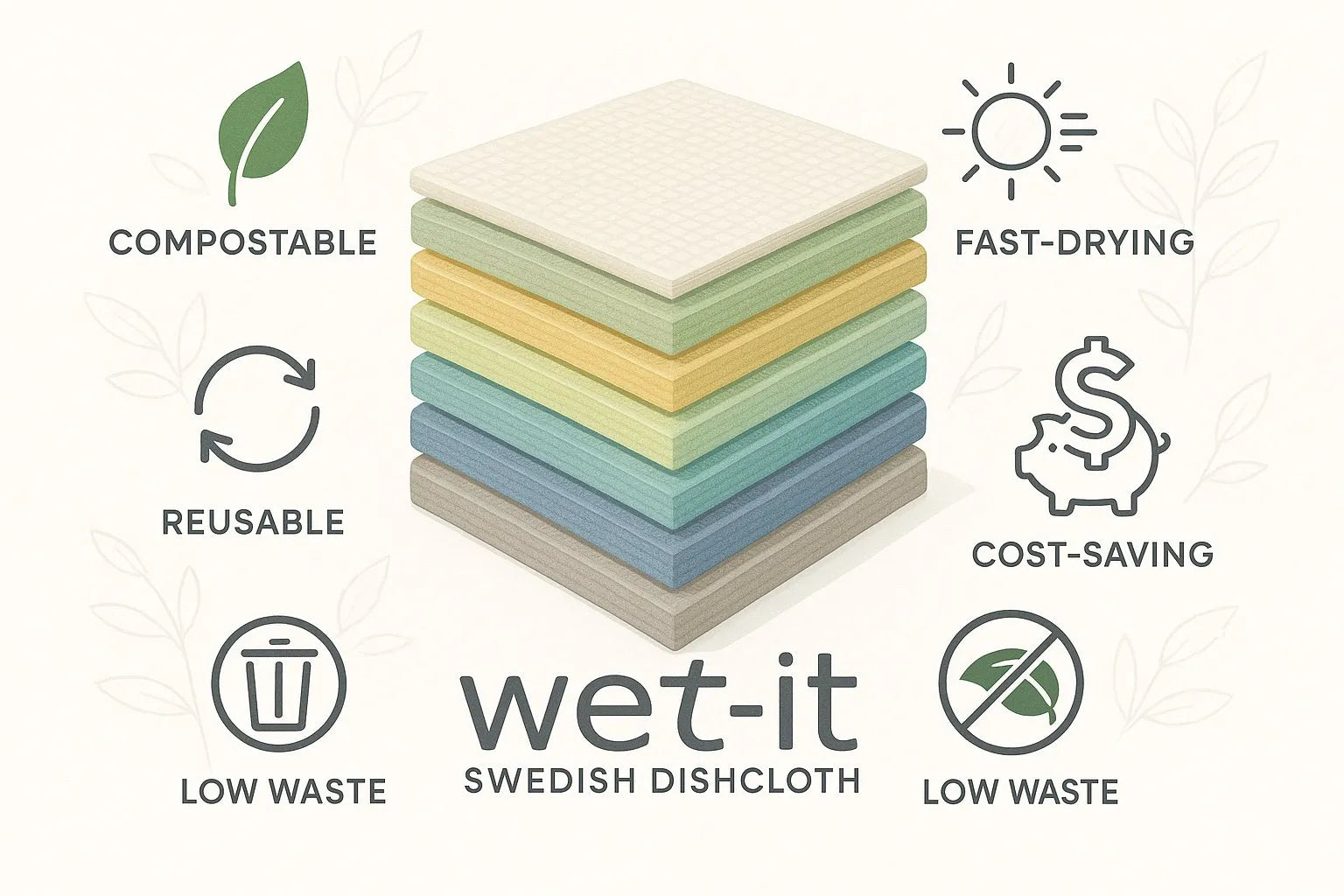
Swedish dishcloths soak up 20 times their weight in liquid. They’re made from cellulose and cotton, so you can compost them when they’re done.
They clean glass without streaks, rinse out easily, and dry fast, so they don’t get gross between uses.
Microfiber cloths work differently but just as well. Their split fibers trap dirt rather than smear it around.
Bamboo cloths naturally fight bacteria and odors. They stay fresher than most cotton options.
Color-coding helps keep things sanitary:
-
Blue: For general surfaces
-
Red: Bathrooms and toilets
-
Green: Kitchen counters
-
Yellow: Glass and mirrors
Look for clothes with reinforced edges to prevent them from falling apart. Tighter weaves mean less lint left behind.
Care, Cleaning, and Hygienic Practices
Rinse your clothes right after you use them to keep stains from setting. That simple habit makes them last longer. Wash microfiber separately from cotton. Cotton lint clogs up microfiber and ruins its cleaning power.
Use hot water (about 140°F) to sanitize. Skip fabric softener; it just coats the fibers, making them less absorbent.
Weekly cleaning routine:
-
Soak in a vinegar and water solution (1:4). Let's sit for 30 minutes
-
Wash gently in the machine
-
Air dry all the way
Swap out clothes if they stop soaking up water or start to smell, even after washing. Good ones last 200-300 washes if you care for them.
Store dry clothes in a clean spot. Don’t leave them wet in a closed space; bacteria love that.

Leave a comment
This site is protected by hCaptcha and the hCaptcha Privacy Policy and Terms of Service apply.