
Eco-Friendly Alternatives to Paper Towels
Paper towels feel convenient, but honestly, they're a huge source of waste and extra spending for most families. Eco-friendly alternatives like Swedish dishcloths, cotton flannel “unpaper” towels, and bamboo towels can handle hundreds of washes and reduce waste. You can mop up spills just as well as with disposables, all while saving some cash and easing your impact on the planet.
Plenty of people worry that ditching paper towels will be a hassle. Actually, reusable options often soak up more liquid, clean better, and can last for months or even years if you treat them well.
Switching can save you hundreds of dollars every year and keep a mountain of trash out of landfills. The change feels less daunting than you’d think, and the benefits go way beyond just helping the environment.
Why Make the Switch from Paper Towels?
Paper towels pile up a lot of waste and cost more over time than you realize. Eco-friendly cleaning swaps give you better value and help protect the planet. You can tackle the same cleaning jobs without the constant expense or environmental guilt.
The Environmental Impact of Paper Towels
Manufacturers cut down trees and use a lot of water and chemicals to make paper towels. Every roll you use comes from these resources.
Americans throw away about 13 billion pounds of paper towels each year. That’s a lot of trash filling up landfills.
Here’s what goes into making them:
-
17 trees for every ton of paper towels
-
20,000 gallons of water per ton
-
Bleaching chemicals that end up polluting the water
Most paper towels can’t be recycled because they’re dirty or contain chemicals. They sit in landfills for years, releasing methane as they break down.
On top of all that, paper towels come wrapped in plastic. That’s just more waste we don’t need.
Benefits of Eco-Friendly Cleaning Habits
Reusable cleaning cloths usually work better than paper towels. They soak up more, scrub harder, and last a lot longer. Cotton cloths can hold up to 20 times their own weight in water. Bamboo cloths naturally fight bacteria and keep smells at bay.
You can toss these alternatives in the wash and use them again right away. They last for months or even years with a little care.
Using eco-friendly cloths means you’ll make less trash and take fewer trips to buy cleaning supplies. Many reusable options come in fun colors and patterns. Cleaning might actually feel less like a chore, and you can use different cloths for different jobs.
Swedish dishcloths and cellulose sponges easily replace hundreds of paper towels. They’re great for spills, counters, and general cleaning.
Cost-Effectiveness of Reusable Alternatives
Most families spend $40-60 a year on paper towels. Reusable options cost less in the long run.
One set of quality reusable cloths can save families hundreds of dollars over a few years. The savings add up fast if you use paper towels often.
Washing reusable cloths barely costs anything extra. Toss them in with your regular laundry, and you’re good.
People who make the switch often say these alternatives clean better and save time. You use fewer cloths and get the job done faster.
Top Eco-Friendly Alternatives to Paper Towels

Swedish dishcloths soak up tons of liquid and last for months, even with regular use. Cotton, bamboo, and hemp towels are tough enough for big messes and daily cleaning.
Swedish Dishcloths: The Sustainable Cleaning Essential
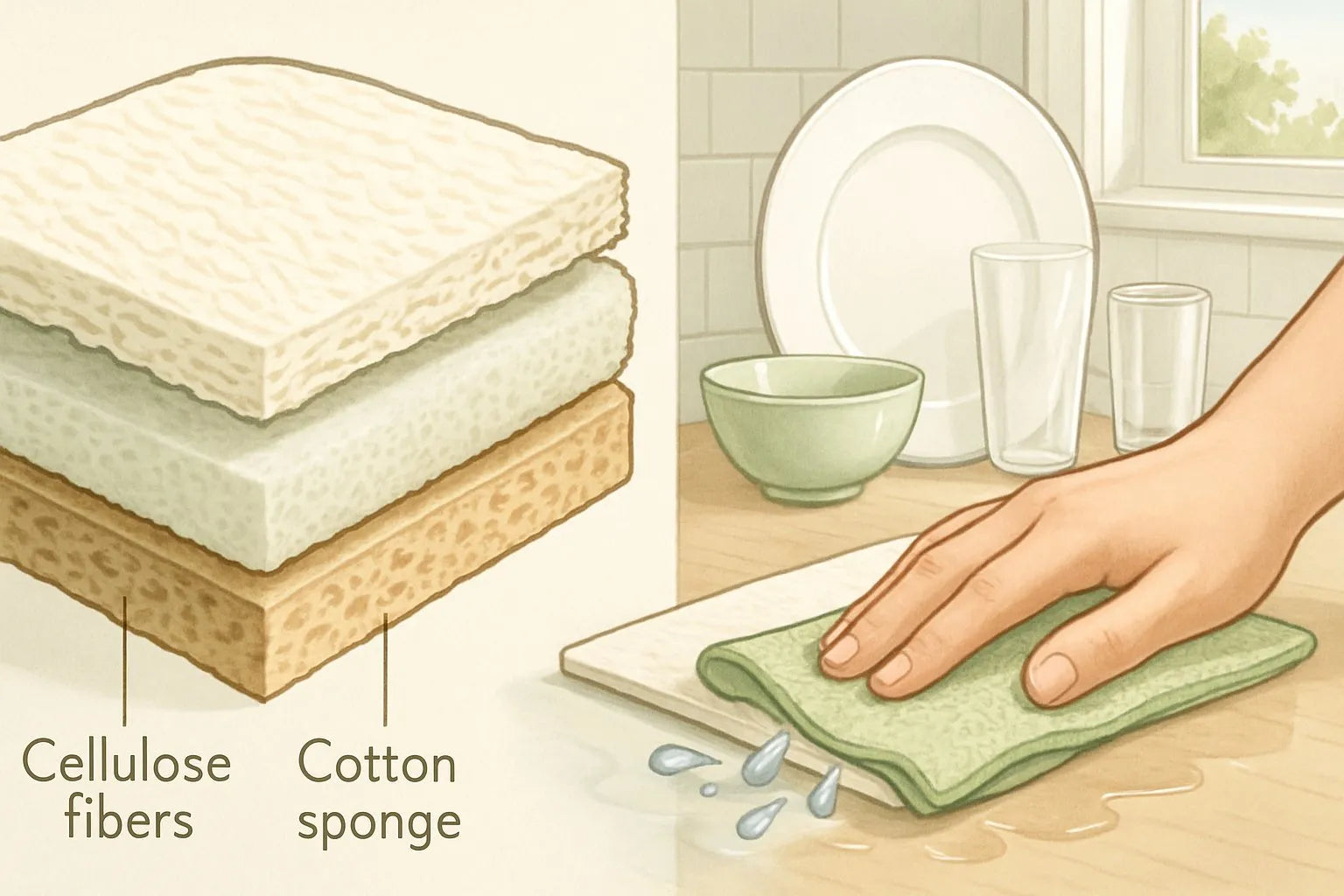
Swedish dishcloths blend cellulose and cotton fibers to create a cleaning tool that absorbs up to 15 times its weight in water. Each one can replace about 17 rolls of paper towels in its lifetime.
People use these on counters, spills, and for general cleaning. You can rinse them out, hang them to dry, and toss them in the dishwasher or washing machine up to 200 times.
They come in a bunch of colors and patterns, so you can match your kitchen or just pick your favorite. They’re stiff when dry, but soften right up when you get them wet.
Key benefits:
-
Compostable when they wear out
-
No need for harsh chemicals
-
Leave no lint behind
-
Easy to store
Once you’re done with them, Swedish dishcloths break down in a compost bin in just a few weeks. They don’t have any plastics or synthetic stuff that linger in the environment.
Reusable Cloth Towels: Cotton, Bamboo, and Hemp
Cotton towels feel familiar and soak up spills easily. If you pick organic, you avoid a lot of pesticides from the growing process. Bamboo towels grow fast and don’t need much water. They naturally resist bacteria and stay soft after many washes.
Hemp towels are super strong and last ages. They get softer with every wash and don’t get moldy easily. Plus, hemp helps the soil as it grows.
You’ll get the most out of these towels if you use different colors for different jobs. That way, you keep kitchen and bathroom messes separate.
Unpaper Towels and DIY Upcycled Options
Unpaper towels look and feel like paper towels, but use washable fabric squares instead. Some even snap together on a cardboard tube so you can pull them off like a roll.
You can make your own from old t-shirts, flannel sheets, or even worn-out towels. Just cut them into squares and hem the edges if you want them to last longer.
DIY fabrics that work:
-
Old cotton tees
-
Outgrown flannel pajamas
-
Used cloth diapers
-
Baby clothes you don’t need
Flour sack towels are another good choice. They dry quickly and don’t leave lint behind. Plus, they’re usually cheaper than fancy cleaning cloths. If you want a zero-waste kitchen, upcycling what you already have is a great start.
It saves money and keeps old textiles out of the trash.
Biodegradable and Compostable Choices
Recycled paper towels use recycled paper instead of cutting down new trees. They break down quickly in compost and don’t stick around in landfills.
Bamboo paper towels break down even faster. Bamboo grows back without replanting, so it’s a pretty renewable choice.
Tree-free paper towels are made from materials like sugarcane pulp or wheat straw, which would otherwise be tossed or burned.
Compost times:
-
Bamboo: 2-3 months
-
Recycled: 3-4 months
-
Tree-free: 2-4 months
Look for FSC or compostable labels on the packaging. These make it easier to know you’re picking something truly eco-friendly.
Store biodegradable towels in a dry place so they don’t fall apart too soon. They’re best for light cleaning and can go straight into the compost after one use.
Caring for and Transitioning to Eco-Friendly Options

Taking care of your eco-friendly clothes isn’t hard, and a little organization helps them last longer. With a few simple habits, you can ditch paper towels without much fuss.
How to Properly Clean and Care for Swedish Dishcloths
Swedish dishcloths need a bit of regular cleaning to stay fresh. Rinse them with warm water after each use to remove food and grease.
Daily Care:
-
Rinse after use
-
Wring out and hang to dry
Deep Cleaning:
-
Dishwasher: Toss on the top rack once a week
-
Microwave: Wet and zap for 60 seconds to kill germs
-
Boil: Soak for five minutes if they’re stained
-
Washing machine: Use warm water and your usual detergent
Swap out your dishcloths every 6-8 weeks if you use them a lot. If they get stiff or smelly, it’s time for a new one. Skip the bleach and fabric softener; they break down the fibers, reducing the cloth's absorbency.
Maintaining Reusable Cloths for Longevity
Cotton and bamboo cloths last longer when washed correctly. Use hot water to kill germs and remove stains.
Washing Tips:
-
Wash at 140°F or hotter
-
Add white vinegar to remove odors
-
Don’t use fabric softener on absorbent cloths
-
Wash separately from linty laundry
For stains:
-
Soak greasy cloths in dish soap before washing
-
Use a baking soda paste for stubborn marks
-
Dry in the sun to naturally bleach white cloths
Keep clean cloths in a dry, airy spot. If they stay damp, they’ll get moldy and smell bad. Replace them when they become thin or stop absorbing water.
Organizing and Storing Your Alternatives
A good storage setup makes it easy for everyone to use reusable cloths. Keep clean ones close to where you need them.
Storage Ideas:
-
Basket by the sink for clean cloths
-
Hooks for air-drying used ones
-
Bin for dirty cloths
-
Drawer or cabinet for extras
Label your storage spots so everyone knows where things go. That way, the system actually works.
In the Kitchen:
-
Put your cloth dispenser where the paper towels used to be
-
Keep different types handy for different jobs
-
Use a wet bag for dirty cloths until laundry day
Rotate your cloths so they all get used evenly. That helps them last longer.

Leave a comment
This site is protected by hCaptcha and the hCaptcha Privacy Policy and Terms of Service apply.