
How to Clean Swedish Dishcloths: Effective Methods for Eco-Friendly Longevity
Swedish dishcloths have really caught on as an eco-friendly alternative to paper towels and regular sponges. Made from cellulose and cotton, these cloths soak up a surprising amount of liquid, sometimes up to 20 times their own weight.
They can last for months if you treat them right. Still, many folks find it tricky to keep them clean and smelling fresh.
To keep your Swedish dishcloths in good shape, rinse them after each use and give them a deeper clean once a week.
Try things like microwaving, soaking in soapy water, or using vinegar. This routine stops odors, keeps bacteria at bay, and helps the cloths stay absorbent.
When you skip regular care, these handy kitchen tools start to smell and just don't work as well.
If you want your dishcloths to last, it helps to figure out which cleaning method fits your habits.
Daily upkeep, stain removal, and odor-fighting techniques all help keep these eco-friendly cloths doing their job.
Fundamentals of Swedish Dishcloths and Cleaning Importance
Swedish dishcloths need a bit of special care to keep their unique feel and stop bacteria from growing. Knowing what they're made of and how to look after them means you can get months of solid cleaning out of each one.
Why Regular Cleaning Matters
If you use your Swedish dishcloth daily, you should clean it at least twice a week. Food, grease, and dirt get trapped in the fibers pretty fast.
When you don't wash them enough, bacteria start to multiply. That's when you get those nasty smells and less cleaning power.
Keeping your cloths clean makes them more absorbent. They pick up spills and crumbs way better when they're not full of grime.
These cloths dry quickly, which helps prevent bacteria from growing between uses. Still, only washing removes the stuff; rinsing just can't touch.
What Makes Swedish Dishcloths Unique
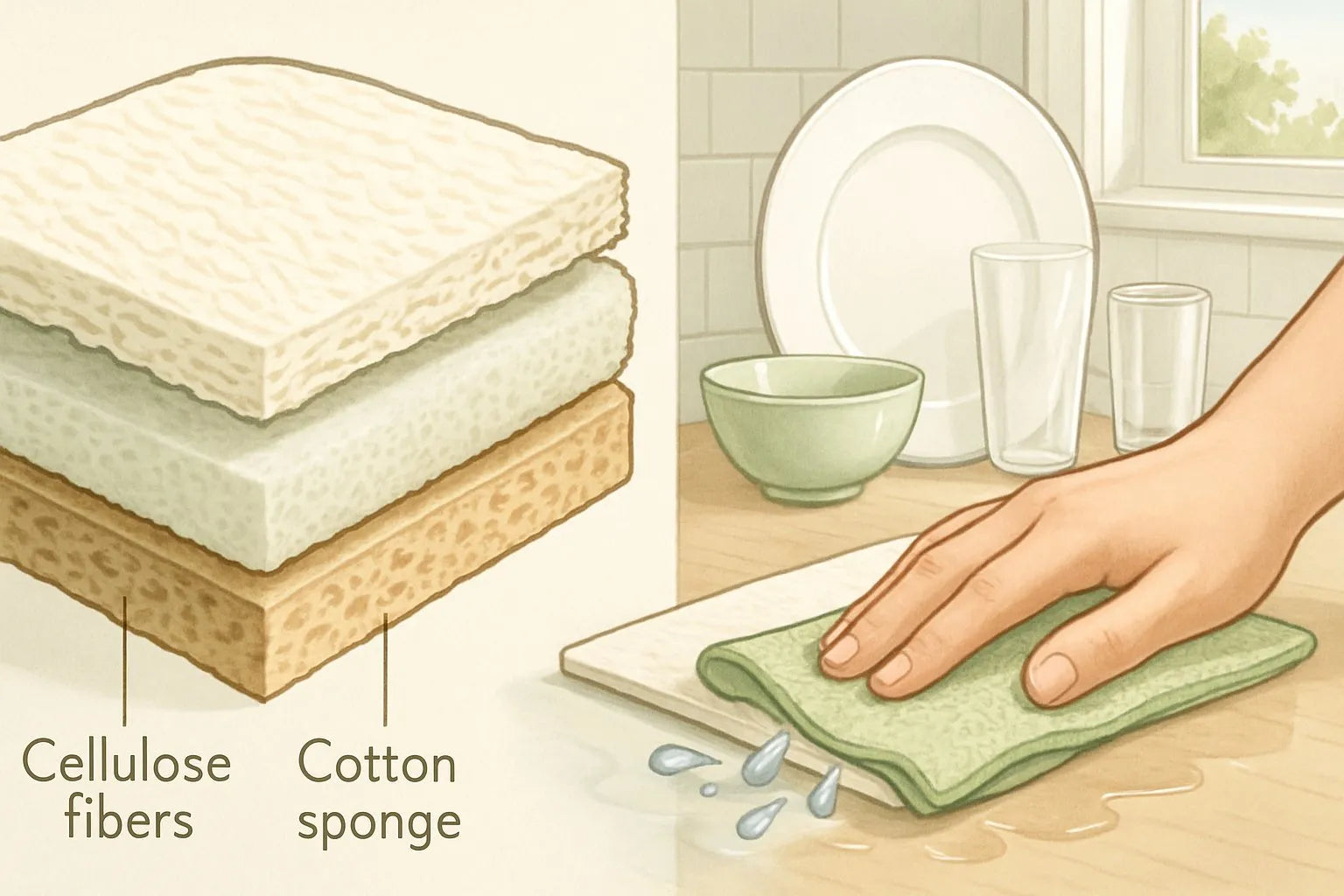
Swedish dishcloths are usually made from 70% cellulose and 30% cotton. That combo gives them their special qualities.
They're stiff when dry, but as soon as you wet them, they soften up and get flexible.
These cloths can soak up about 15 times their weight in water. They dry much faster than most sponges or rags.
Cellulose, which comes from wood pulp, gives absorbency. Cotton adds strength and a bit of texture.
You can use them instead of both paper towels and kitchen sponges. With some care, one cloth might last anywhere from 6 to 12 months.
Since they're made from natural fibers, you can compost them. They break down safely when you dispose of them properly.
Dangers of Improper Care
Heat ruins Swedish dishcloths pretty quickly. Dryers or dishwasher drying cycles shrink the fibers.
High heat makes them lose their absorbency. Sometimes they shrink by half or more.
Fabric softener coats the fibers, reducing their absorbency. Suddenly, your cloths don't clean as well.
Bleach and other harsh chemicals break down the cellulose. This makes the cloth fall apart much sooner.
If you store them folded or crumpled, they'll lose their shape. Flat storage works better.
When you skip regular cleaning, bacteria build up. That leads to odors and possible health issues.
Step-by-Step Cleaning Methods for Swedish Dishcloths

You need to clean Swedish dishcloths regularly to keep them hygienic and effective. Quick rinses help day to day, but sometimes you need to go deeper with boiling or vinegar soaks.
Daily Rinsing and Quick Maintenance
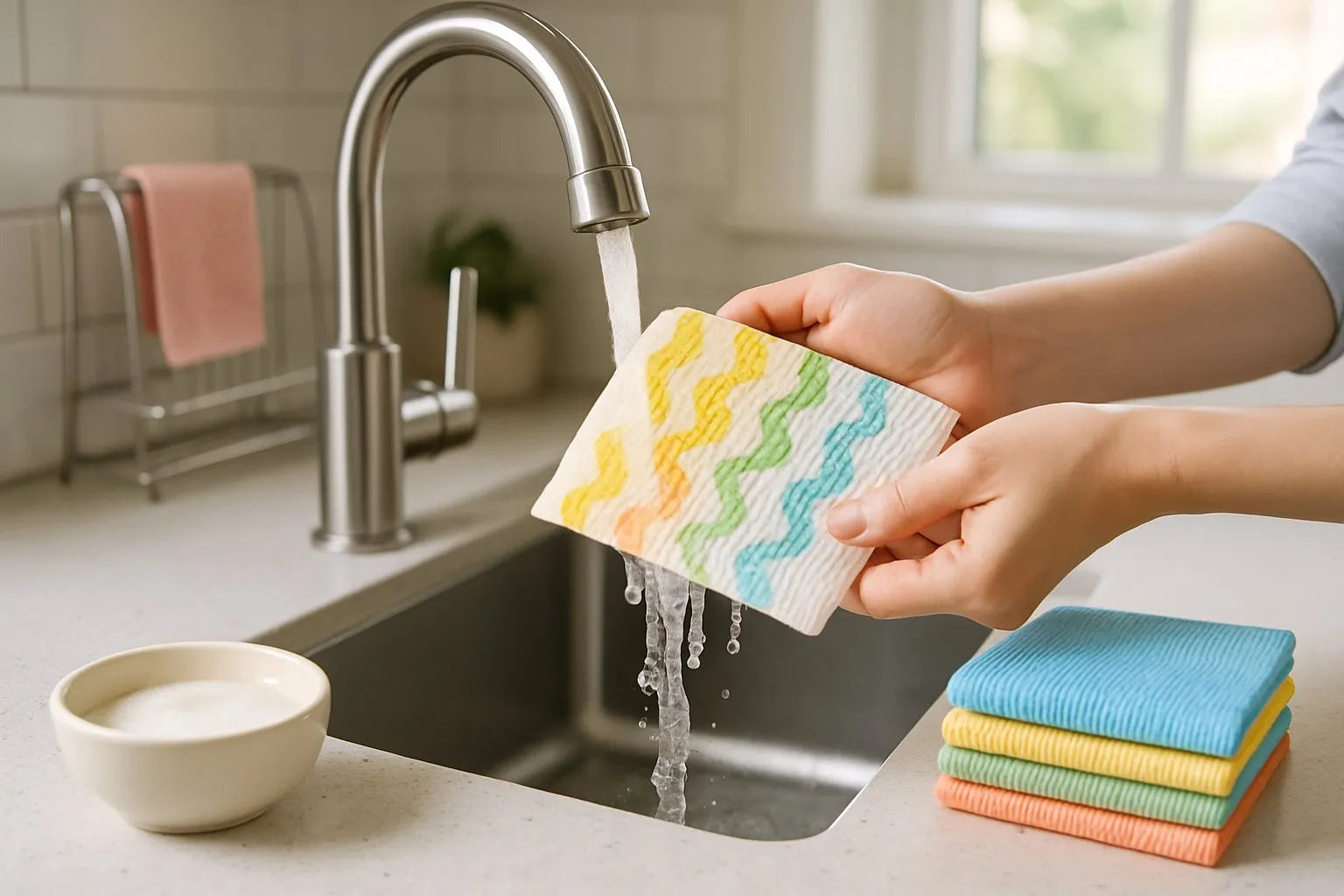
A little daily effort keeps Swedish dishcloths fresher longer. After each use, rinse the cloth under warm running water.
Hot water does a better job at loosening grease and food. While rinsing, squeeze the cloth to get out trapped bits.
Quick Daily Steps:
-
Rinse under warm water right after use
-
Squeeze gently to get rid of food bits
-
Wring out all the extra water
-
Hang somewhere airy to dry
Never leave these cloths wet in a pile or tucked away in a drawer. That's just asking for mold and funky smells.
Letting them dry out really helps prevent most problems. Thanks to their cotton-cellulose blend, they dry pretty quickly.
If you notice a small stain, dab on a drop of dish soap and rub gently. Rinse it out before it sets.
Handwashing With Gentle Detergents
Handwashing is gentle but works well for regular cleaning. It's perfect for light dirt or as a quick refresh between deeper cleans.
Fill a basin with warm (not hot) water and add a splash of dish soap.
Handwashing Process:
-
Soak the cloth for a couple of minutes
-
Rub the fabric together gently to lift out dirt
-
Pay extra attention to any stains
-
Rinse until the water runs clear
-
Squeeze out water and hang to dry
Skip fabric softeners and bleach. They just mess up the fibers and make the cloth less absorbent.
If you find a tough spot, mix a little baking soda with water to make a paste. Rub it on, let it sit for 15 minutes, and then wash.
Gentle scrubbing keeps the cloth's texture intact. If you scrub too hard, you'll wear out the fibers faster.
Deep Clean Techniques: Boiling, Microwave, and Vinegar Soaks
Sometimes you need to sanitize Swedish dishcloths or get rid of a stubborn smell. Deep cleaning once a week or when odor hits works best.
Boiling Method: Fill a pot with water and bring it to a boil. Drop in the dishcloth and let it simmer for 5-10 minutes.
Use tongs to pull it out safely. If you want, add a tablespoon of white vinegar to the water for extra cleaning power.
Microwave Sanitization: Make sure the cloth is damp, never put it in dry. Place it on a microwave-safe plate and heat for 60-90 seconds.
The steam kills germs fast. Let the cloth cool off before you touch it, because it'll be hot.
Vinegar Soaks: Mix one part white vinegar with four parts water. Soak the cloth for 30 minutes, or overnight if it's really stinky.
Vinegar helps kill bacteria and remove mineral buildup. After soaking, rinse well and wash with soap.
Machine and Dishwasher Cleaning: Tips and Cautions
Washing machines and dishwashers can make cleaning Swedish dishcloths super easy. Just use them the right way.
Washing Machine Guidelines:
-
Use hot water for sanitizing
-
Toss cloths in with your towels
-
Stick with regular detergent
-
Skip the fabric softener
-
Take them out right away when done
Hot water and detergent do the heavy lifting. Fabric softener leaves a film that ruins absorbency.
Dishwasher Method: Put cloths on the top rack. Make sure they won't fall down to the heating element.
Run a normal hot cycle with dishwasher detergent. The heat and jets clean and sanitize simultaneously.
Important Cautions:
-
Don't use bleach on these cloths
-
Skip high-heat drying cycles
-
Don't overload the machine
-
Let them air dry fully after washing
Both methods work well if you follow these tips. Pick the one that fits your daily routine.
Longevity, Storage, and Sustainable Use
With some care, Swedish dishcloths can last for months and keep working well. How you store them matters, too, and there are a few ways to get the most eco-friendly use out of them.
Proper Drying and Storage to Prevent Odors
Air drying is your friend if you want Swedish dishcloths to last. Hang the cloth over your faucet or lay it flat on a clean towel after you're done.
The quick-dry blend of cotton and cellulose helps stop bacteria from growing.
Good storage spots:
-
Over the kitchen sink or faucet
-
On a towel rack
-
Clothesline or drying rack
-
Flat, airy surface
Heat is rough on these clothes. Dryers shrink them and ruin absorbency. Don't fold or crease them while they're wet; it can permanently mess up their shape.
Only put them away when they're totally dry. A clean, dry drawer or cabinet is best for storing long-term.
Never stash them under the sink while damp. That's just a recipe for mold.
When and How to Replace Your Dishcloths
Most Swedish dishcloths last anywhere from 6 to 12 months if you treat them well. Replace them if they get thin, start tearing, or just won't absorb like they used to.
Time for a new one if:
-
You see holes or tears
-
Odors won't go away after cleaning
-
They stop soaking up water
-
The fabric feels rough or stays stiff when wet
-
Colors fade so much that they don't clean well
How often you need to swap them out depends on how much you use them. If you use one every day, you might need a new one every 4-6 months. If not, you can stretch it to 8-12 months.
When it's time to toss them, composting is the way to go. Swedish dishcloths break down naturally, so you can add them to your home compost or to your city's program.
Eco-Friendly Routine and Zero-Waste Tips
Swedish dishcloths can replace hundreds of paper towels in their lifetime. By choosing reusable options, you cut down on waste, always a good thing.
Try these sustainable habits:
-
Wash with eco-friendly detergent
-
Air dry instead of using a dryer
-
Rotate a few cloths so each one gets a break
-
Compost them at the end of their life
If your kitchen is busy, keep 3-4 cloths in rotation. That way, you always have a dry one ready, and none wear out too fast.
Cold-water washing is easier on fibers and saves energy. Skip bleach and fabric softeners; they just shorten the life of the cloth.

Leave a comment
This site is protected by hCaptcha and the hCaptcha Privacy Policy and Terms of Service apply.